
Newmarket’s horseracing community launches five-point blueprint for a new era
The leaders of Newmarket's world-renowned horseracing industry have come together to publish a landmark strategy for the future of the town and the sport they love.
Trainers, breeders, vets, stable staff, auctioneers, transporters and the businesses which make up the Newmarket Thoroughbred Racing and Breeding Industry Forum (NTRBIF) have produced an 80-page blueprint shaped by their expertise and experiences of living and working within Newmarket's thoroughbred racing and breeding cluster.
The “Case for Newmarket” sets out a five-point plan for the next 10 to 15 years and calls on local and national decision-makers to work alongside the industry to realise the potential of Newmarket’s global status as the home of horseracing for over 400 years.
The five point plan in the Case for Newmarket calls for:
Smarter planning to ensure the welfare and safety of horses, as well as the long-term viability of the industry which would benefit, for example, from an all-weather racing and training facility in the future.
Understanding and supporting opportunities for innovation, especially those linked to equine science and veterinary research and the benefits they can bring to the Oxford-Cambridge Growth Corridor.
Setting a global standard for equine welfare. With its world-class equine veterinary hospitals, research facilities and concentration of expertise, Newmarket is the natural leader.
Investing in the racing workforce, by providing housing to meet their specific needs, improved career pathways and employment support which are central, not just to the industry but the social fabric of the town.
Releasing the full potential of the historic home of horseracing as a visitor destination, which would benefit every business on the high street, creating a vibrant and thriving local economy.
The report is published against a backdrop of declining visitor numbers to Newmarket, a reduction in the number of thoroughbred foals being born, a lack of affordable homes specifically for stable staff, and the wider pressure of strategic planning which prioritises local authority housing targets.
But the authors say that The Case for Newmarket is not a document about what has been lost, it is a blueprint for what can be built.
The NTRBIF believes the town is at the dawn of a new era where coordinated ambition, the right policy environment, and genuine partnership with government can open a new chapter of growth for the industry and the community it sustains.
Nationally, horseracing is the UK’s second most economically significant sport, next to football, generating £4 billion for the national economy.
Newmarket is the world's number one horseracing cluster and one in three of all jobs in the town is linked to that cluster, contributing more than £300 million to the local economy each year. Newmarket’s stud farms alone generate more than £110 million annually and employ over 1,000 full-time equivalent people. More than 80 trainers operate across 70 yards, with an average of 2,500 horses in training every month.
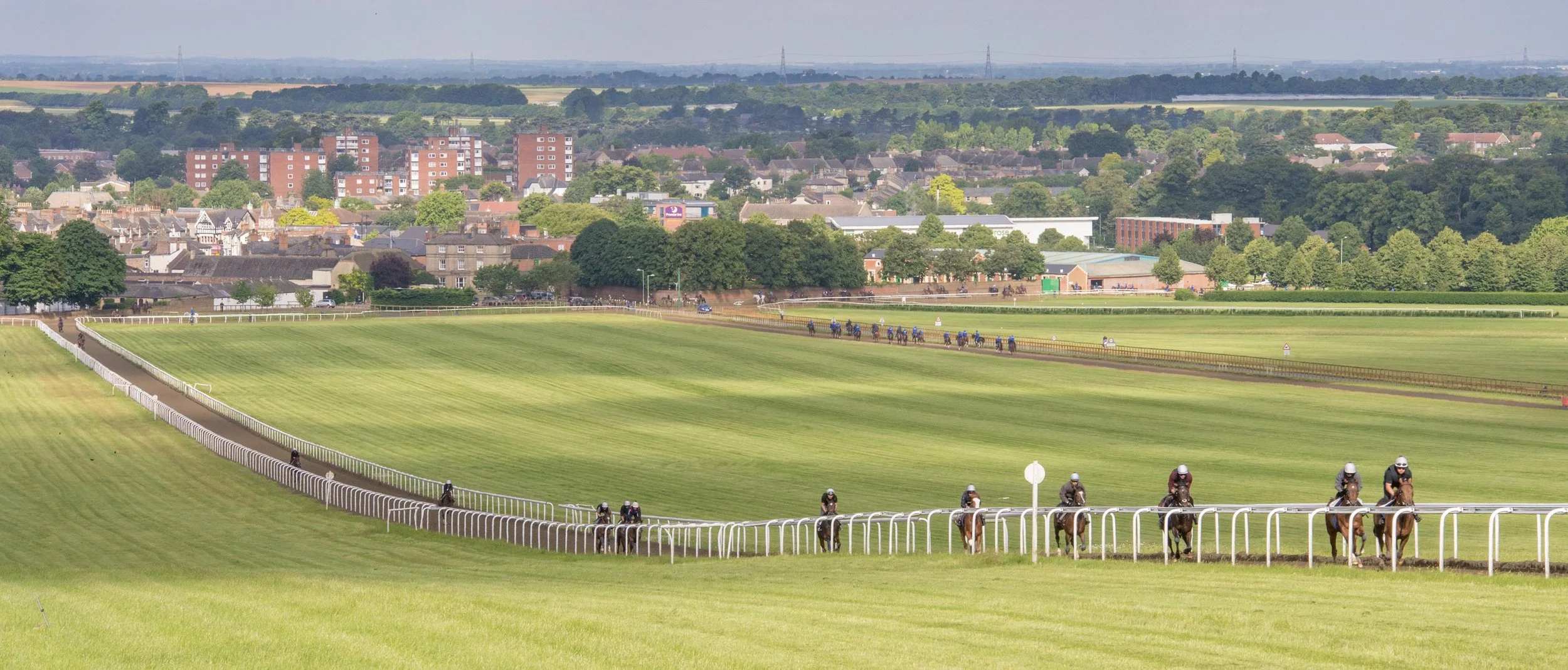
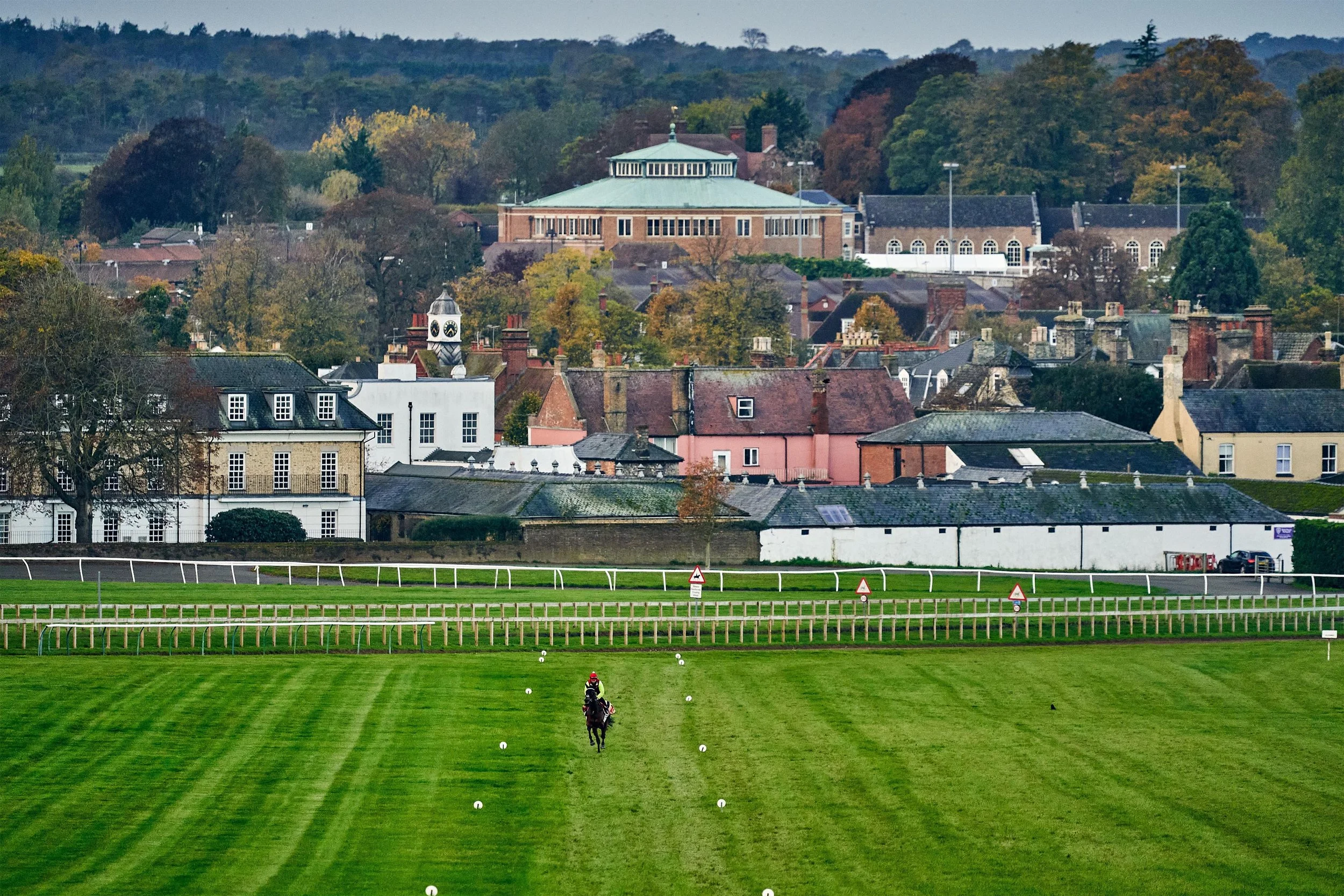
Every day, from first light, strings of thoroughbreds and riders make their way through the town from the training yards to the public training grounds; the rising slopes of Warren Hill to the east and the flat, open gallops on the racecourse side of town to the west.
Newmarket champion trainer, John Gosden said: “Newmarket is unique for the interaction between the town and the horseracing and breeding industry. It’s important that they continue to co-exist, side-by-side, which is why making sure decisions about the future opportunities and growth in the town are made with the welfare of the community, the horse and the industry firmly front of mind.”
NTRBIF Lead, Amy Starkey said: “We are at a crucial point in the development of Newmarket and the history of horseracing, and this blueprint for the future is both a plan of action and a call to policymakers to recognise the value of the sport and support it.
“By working with partners in local, regional and national government, we hope not only to protect and enhance Newmarket, but to see it flourish and thrive for the benefit of future generations.”
Fred Barrelet of Rossdales veterinary practice said: “The standard and range of equine veterinary and farriery services in Newmarket are world leading. For the benefit of horses building on this expertise, especially in the context of the growth in agri-sciences across the Oxford-Cambridge corridor, makes perfect sense. Ongoing investment is essential. It means so much for enhancing care, horse welfare standards, the creation and maintenance of skilled jobs and promoting the excellent global reputation of British racing.”
Naomi Mellor, CEO of the Thoroughbred Breeders Association said: “The fact that three of the world’s top ten stallions are based in Newmarket tells its own story about the importance of the town as a breeding centre. As we work to address the ongoing global decline in foal numbers, there are huge opportunities to build on Newmarket’s reputation and strengthen the breeding cluster through innovative partnerships, investment in the stud land that surrounds the town and considered planning protection."
The NTRBIF is inviting decision-makers to become partners in what they say is one of the most compelling growth stories available to the region.
The report’s authors point out that Newmarket's horseracing industry already delivers economic growth, cultural richness, global prestige, and deep community identity. The Case for Newmarket sets out, in clear terms, how it can deliver even more - and what local councillors, MPs, ministers, and planners can do to help make it happen.
The report concludes that Newmarket is a place that has been at the centre of British sporting and cultural life for over 400 years. They believe the people who live and work here are determined it will be at the centre of that important tradition for at least 400 more.